
How Often Does a Septic Tank Need Pumping?
Most homes get by on a 3 to 5 year pumping cycle for a standard 1,000 gallon tank, but that range moves depending on how many people live in the house and how big the tank actually is. A bigger household pushes more water and solids through the system, which shortens the interval. Renters between tenants, or homeowners who just bought a place with no service history, should treat the first pumping like a baseline check rather than guessing. If you are staging a renovation on the same property, pair the septic visit with home renovation porta potty rental so the crew has a place to go while the tank is offline. Farms with hand-labor crews have separate rules worth knowing under OSHA 1928.110, which covers field sanitation for agricultural operations, and that is relevant background for farm and agricultural restroom planning too. If you are unsure where your tank falls in that 3 to 5 year window, our septic tank pumping cost page walks through what changes the estimate, and how often to pump a septic tank breaks the interval down by household size.
What Are the Warning Signs a Tank Needs Pumping?
Slow drains in more than one fixture at once, gurgling in the pipes, or standing water near the drain field are the usual tells that a Tacoma system is at or past capacity. Sewage odor indoors or out is another sign, and it should not wait. A grease interceptor, by comparison, gets pumped once fats, oils, grease and solids reach 25 percent of the liquid depth, which is a different threshold than a residential tank and usually a faster-moving problem for restaurants. If your property serves food, see grease trap pumping for that separate schedule. For a full symptom list before you call, septic tank warning signs covers what each sign usually means. Waiting past these signs risks a backup into the house, which turns a routine service call into an emergency septic service situation, and those tend to cost more and move faster than a scheduled visit.
What Does a Septic Pumping Service Include?
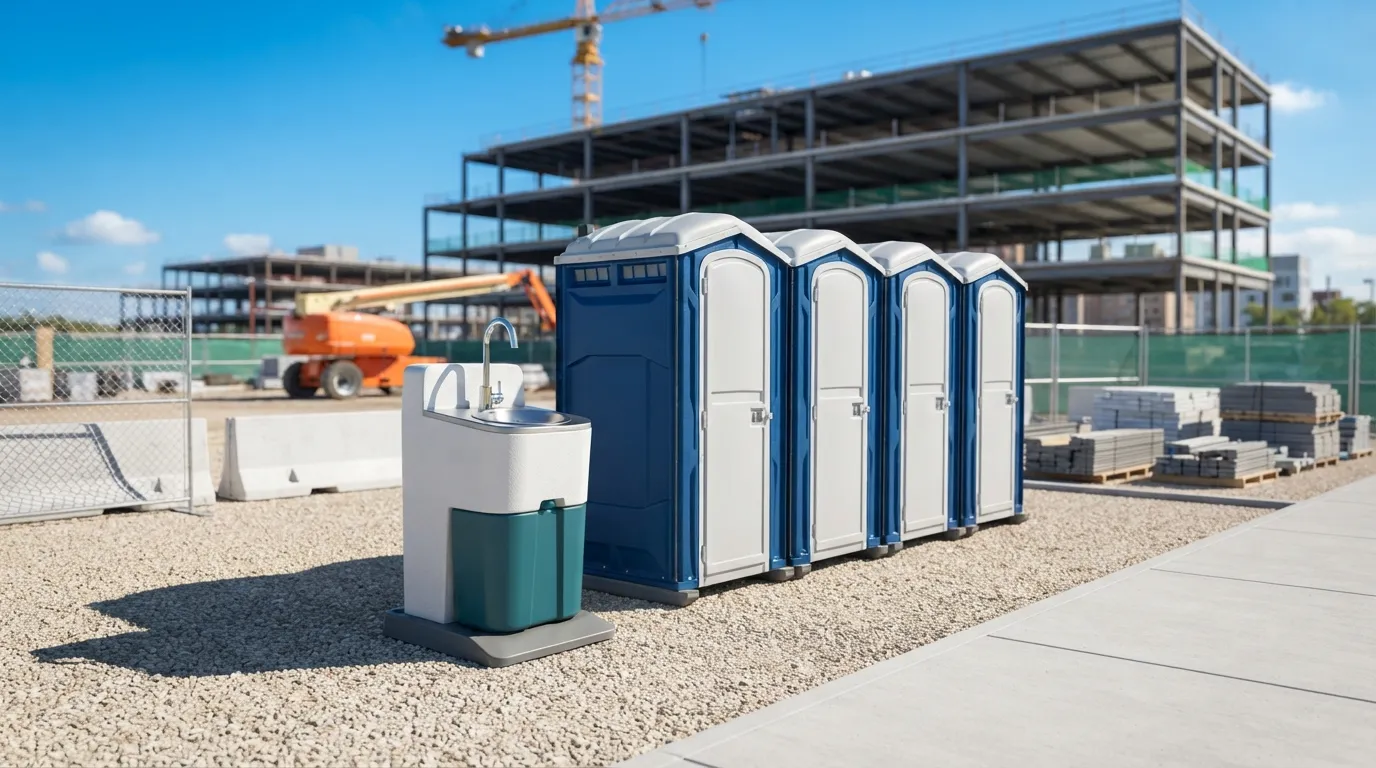
A standard visit includes locating and uncovering the tank access, pumping the tank contents, and a basic check of the baffles and tank condition while the crew is already down there. Some visits include a rinse of the tank interior depending on what's found. This is different from portable toilet servicing, which follows the ANSI/PSAI Z4.3 standard baseline of one visit per week for up to 10 users over a 40 hour week; septic pumping is scheduled around tank condition, not a fixed weekly interval. If your property also needs an active restroom on site during the septic visit, a standard porta potty rental or a deluxe flushable porta potty can cover the gap. Event sites and construction sites in Tacoma often bundle septic work with other services; see construction site services for how that's typically packaged, or septic tank cleaning for a deeper service than routine pumping alone.
How Much Does Septic Tank Pumping Cost?
Pricing depends on tank size, access difficulty, and whether the job is a scheduled weekday visit or a weekend call. Here's what a typical Tacoma job looks like broken down by scenario:
| scenario | price band |
|---|---|
| Standard day visit | $150 to $300 |
| Weekend service | $50 to $150 |
A 1,000 gallon tank pumping cost usually lands in the standard day range shown above, and the weekend band reflects the premium for scheduling outside normal hours rather than a discount. Access matters too: a tank buried under a deck or behind a fence adds time, and a temporary fence rental around the excavation area is common on tighter residential lots while work is underway. For side-by-side cost comparisons across portable sanitation, our porta potty rental cost page and porta potty rental per day page cover that market, and monthly porta potty rental is worth a look if the property needs restrooms on a longer timeline alongside septic work.
Do You Offer Holding Tank Service?
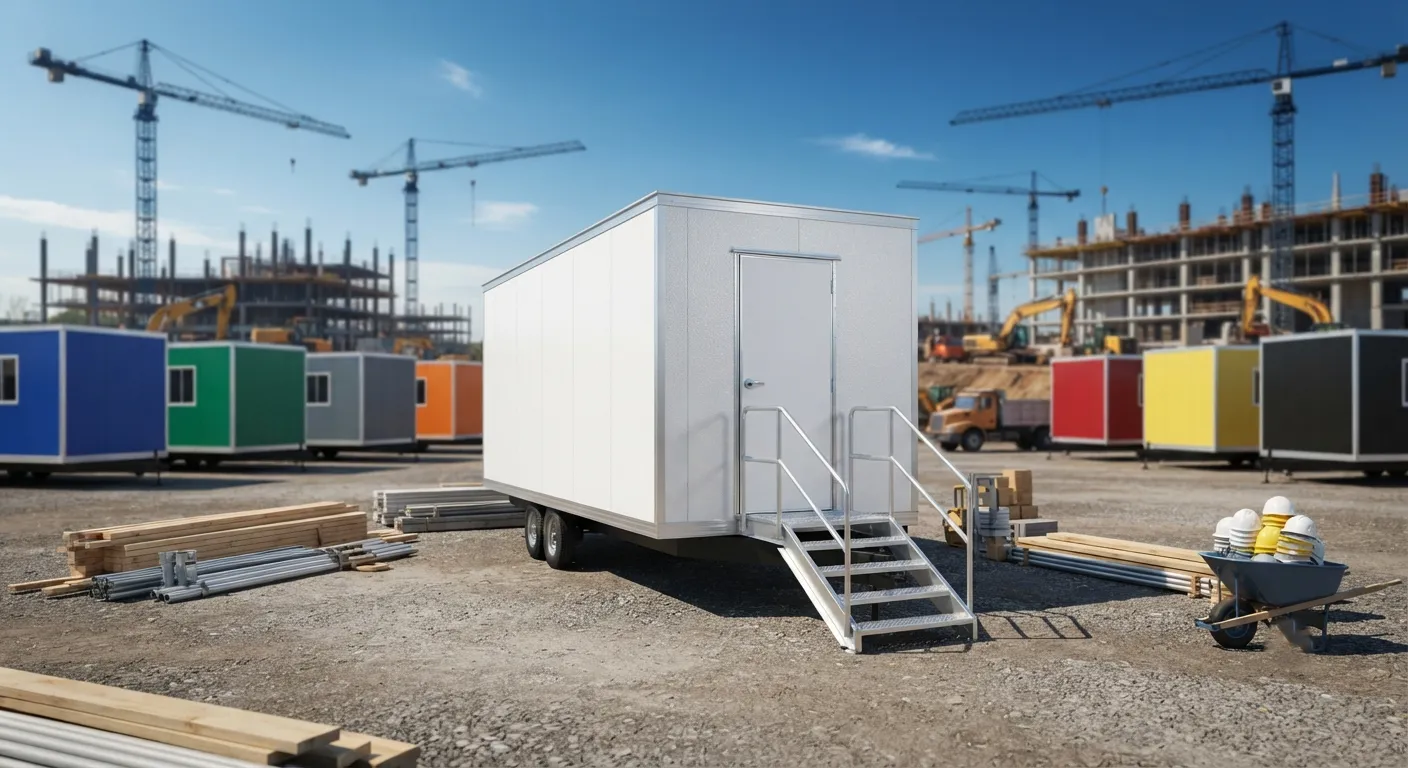
Yes, holding tank rental and pumping is available for properties without a working septic system, including construction sites and temporary event setups. A holding tank fills instead of treating wastewater, so it needs pumping on a schedule tied to usage rather than the 3 to 5 year residential window. This is common on job sites that also run temporary power pole or light tower rental equipment, since both are temporary infrastructure serving a site with no permanent utilities yet. See holding tank rental for setup details. Event organizers in Tacoma running a festival restroom rental or county fair restrooms package sometimes pair a holding tank with restroom trailers instead of standard units; the 4 stall restroom trailer and 8 stall restroom trailer both generate wastewater that needs a holding tank or septic tie-in, so check that early in planning rather than after delivery.

How Fast Can You Respond to a Septic Emergency?
Emergency septic calls get priority scheduling ahead of routine pumping jobs, because a backup inside a home or business cannot wait for the next open slot. Tacoma sits close enough to several service areas that response times stay tight: Fircrest is 4.1 miles southwest, University Place is 6.8 miles southwest, and Fife is 7.2 miles east, all within a short run from a Tacoma-based crew. Lakewood at 9.3 miles southwest and Puyallup at 11.6 miles southeast are also inside normal same-day range. For anything further out, like Lacey at 24.5 miles southwest or Burien at 26.0 miles north, call ahead to confirm timing. See emergency septic service for what counts as urgent versus what can wait for a scheduled visit, and emergency porta potty rental if the property needs a restroom while the septic system is down. Our service areas page lists everywhere we cover from the Tacoma base.
How much does septic tank pumping cost?
A standard day visit for a typical residential tank runs $150 to $300, while weekend service runs $50 to $150 depending on scope. Actual cost depends on tank size, access, and how recently the tank was last pumped. See septic tank pumping cost for a fuller breakdown by scenario.
How often should a 1,000 gallon septic tank be pumped?
Every 3 to 5 years is typical for a 1,000 gallon tank, though household size shifts that window. A larger family generates more wastewater and solids, which shortens the interval. Check how often to pump a septic tank for guidance specific to household size.
What are signs my septic tank needs pumping now?
Slow drains across multiple fixtures, gurgling pipes, sewage odor, or standing water near the drain field all signal a tank at capacity. Any of these warrants a call rather than waiting for the scheduled interval. Full details are on septic tank warning signs.
Do you service holding tanks as well as septic systems?
Yes. Holding tanks are common on construction sites and event setups without permanent sewer connections, and they need pumping based on usage rather than a fixed calendar interval. See holding tank rental for scheduling and setup.
Can you respond same day for a septic emergency in Tacoma?
Emergency calls get priority over routine scheduling, and Tacoma's central location keeps drive times short to nearby cities like Fircrest and University Place. Confirm timing ahead for farther towns like Lacey. See emergency septic service for details.
Is grease trap pumping the same as septic tank pumping?
No. A grease interceptor is pumped once fats, oils, grease and solids reach 25 percent of the liquid depth, a different trigger than a residential septic tank's 3 to 5 year cycle. Restaurants should check grease trap pumping separately.
Next step
Get a delivery date
Tell us the address, the dates and the headcount. We size the order and confirm the route.