
How many restrooms does a county fair need?
Start with your expected daily gate count, not your total attendance for the run. A fair drawing 2,000 people through the gate on a Saturday needs a different setup than a Tuesday preview night with 400. Tacoma Porta Pros uses the OSHA 1926.51(c) ratio, 1 toilet for 20 workers or fewer, as the floor for staff and vendor sanitation, then scales public units up from there based on peak-hour crowd density. Livestock barns, midway areas and grandstand seating each pull foot traffic differently, so a single bank of standard portable toilets near the main gate rarely covers a fairground laid out over several acres. We usually recommend clustering units in three or four zones instead of one large row, which cuts walk time and keeps lines from backing into pathways. For multi-day events, ask about monthly porta potty rental pricing if the fair runs alongside setup and teardown weeks, since day rates and week rates cross over fast once you pass four or five days of use. If you are still scoping numbers, the how many porta potties do I need guide walks through the math zone by zone, and our porta potty placement guide covers spacing rules that keep ADA routes clear near grandstands.
What restroom options work best for a fair in Tacoma?
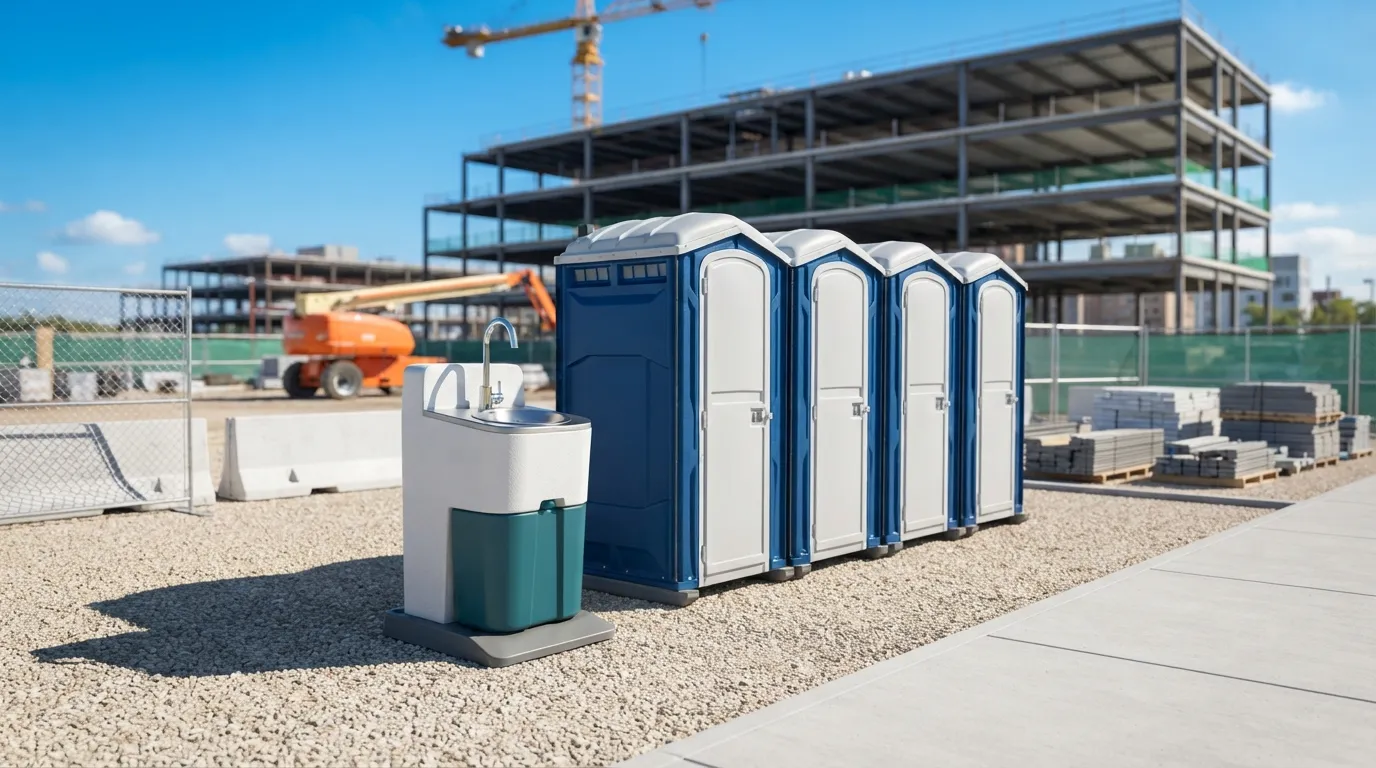
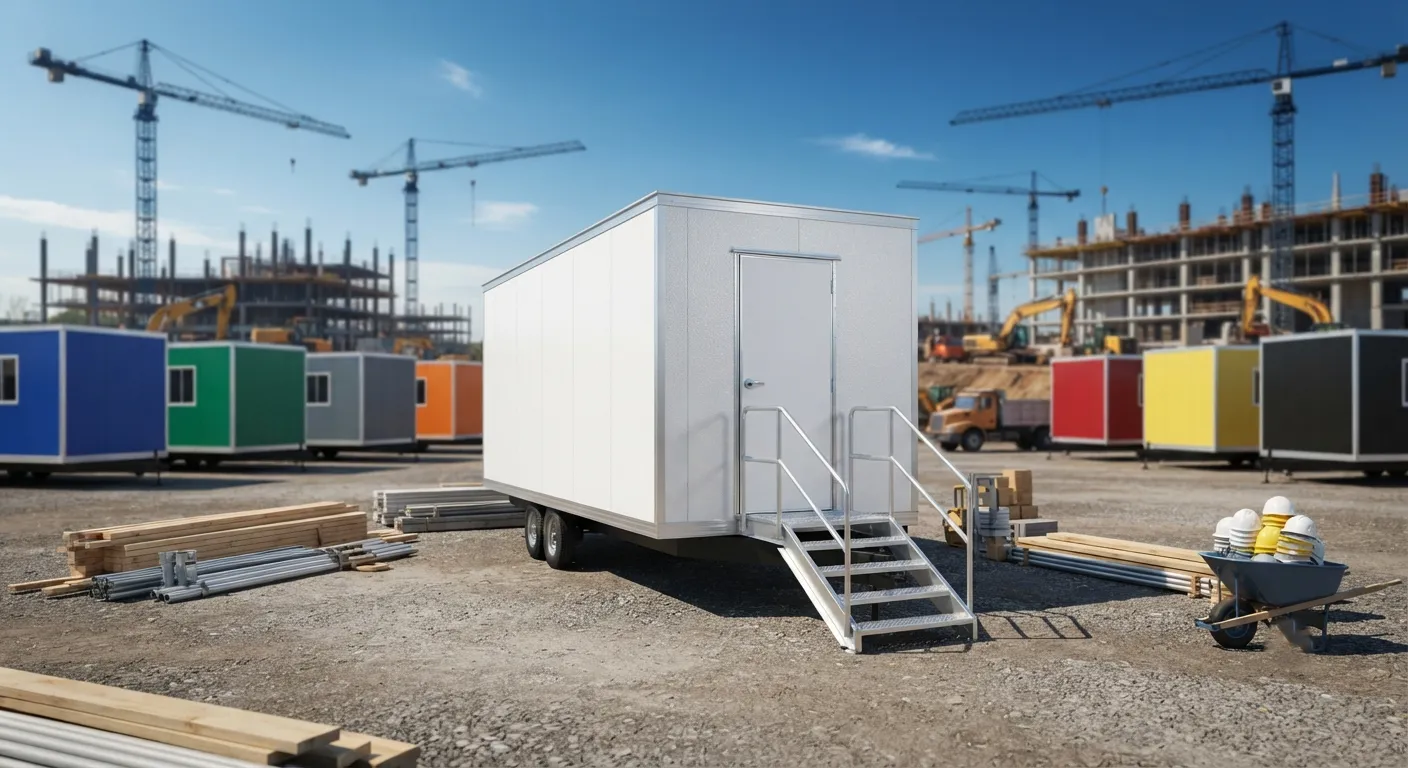
Fairs need a mix, not one product. A straight run of standard porta potty rental units handles midway and parking lot traffic, while deluxe flushable porta potty units make sense near sponsor tents or VIP seating where guests expect a flush handle and a sink. ADA Standards section 213.2 requires that at least 5 percent of a clustered group of single-user toilets be accessible, and never fewer than one unit, so a bank of ten near the grandstand needs at least one ADA accessible porta potty with the 60 inch turning circle specified under ADA Standards section 304.3.1. For fair organizers who want a step up in comfort near hospitality areas, a restroom trailer rental gives multiple stalls, running water and climate control under one roof; the 4 stall restroom trailer fits mid-size hospitality tents well, while an 8 stall restroom trailer suits fairs expecting several thousand daily visitors. Handwashing matters as much as toilet count. Under 29 CFR 1910.141(d)(2), washing facilities need soap and towels or a hand-drying device, and hand sanitizer alone does not satisfy that. A row of handwashing station rental units placed near food vendors and livestock barns covers that requirement without crowding the toilet lines themselves.
Why does fairground layout change the restroom plan?
Fairgrounds are not flat, open lots. Livestock areas, food courts, midways and grandstands each draw crowds at different times of day, and Tacoma's fairground sites often mix paved lots with grass or gravel overflow parking. Placement on soft ground needs a stable, firm, slip-resistant surface under each unit, consistent with ADA Standards section 302.1, so we plan pads or plywood under units set on grass. Delivery trucks also need clearance. A roll-off delivery needs about 60 feet of straight clearance behind the truck, and while that spec applies to roll-off dumpster rental service, the same access planning applies to restroom trailers and multi-unit toilet deliveries on a crowded fairground access road. Fair organizers running events near Tacoma sometimes ask about nearby coverage too. Tacoma Porta Pros services fairground sites as close as Fircrest, 4.1 miles southwest, and as far out as Puyallup, 11.6 miles southeast, so a fair drawing vendors and guests from across the county doesn't mean a restroom vendor working from farther away. Waste and debris management matters on a multi-day fair too. OSHA 1926.25 housekeeping standards call for clearing scrap and debris from work areas, which applies to vendor zones and backstage areas as much as it does a construction site. Pairing your restroom order with a roll-off dumpster rental or a 10 yard dumpster rental for concession waste keeps the grounds crew from hauling trash across the fairway by hand. If your event also needs barrier lines for livestock areas or crowd flow, a temporary fence rental or crowd control barrier rental rounds out the site plan alongside the restroom order.
How far in advance should we book restrooms for a county fair?
Book 60 to 90 days out if you can, especially for multi-day fairs needing ADA units and trailers together. Fair season overlaps with wedding and festival bookings across Tacoma, so trailers and larger toilet counts get reserved early. Use the request a quote form to lock a date.
Do we need ADA-accessible units at a fair?
Yes. ADA Standards section 213.2 requires at least 5 percent of clustered single-user toilets be accessible, with a minimum of one unit regardless of cluster size. See the ADA restroom requirements guide for placement details around ramps and turning space.
What does restroom rental cost for a multi-day fair?
Costs depend on unit mix and rental length. A porta potty rental cost breakdown compares day, week and event pricing across standard, deluxe and ADA units so you can budget zone by zone instead of guessing at a flat rate.
Can we get handwashing stations near food vendor areas?
Yes. Pair handwashing station rental units with your toilet order near food courts and livestock barns. 29 CFR 1910.141(d)(2) requires soap and towels or a drying device, not just sanitizer, for compliant washing setups.
How do restroom trailers compare to standard units for a fair?
Trailers add flushing fixtures, sinks and climate control, which suits hospitality tents and grandstand VIP areas. Standard units cost less per unit and cover higher-volume zones like midways. Most fairs mix both; see event restroom rental for planning by zone.
Next step
Get a delivery date
Tell us the address, the dates and the headcount. We size the order and confirm the route.