
Where should a porta potty go on a Tacoma job site or event?
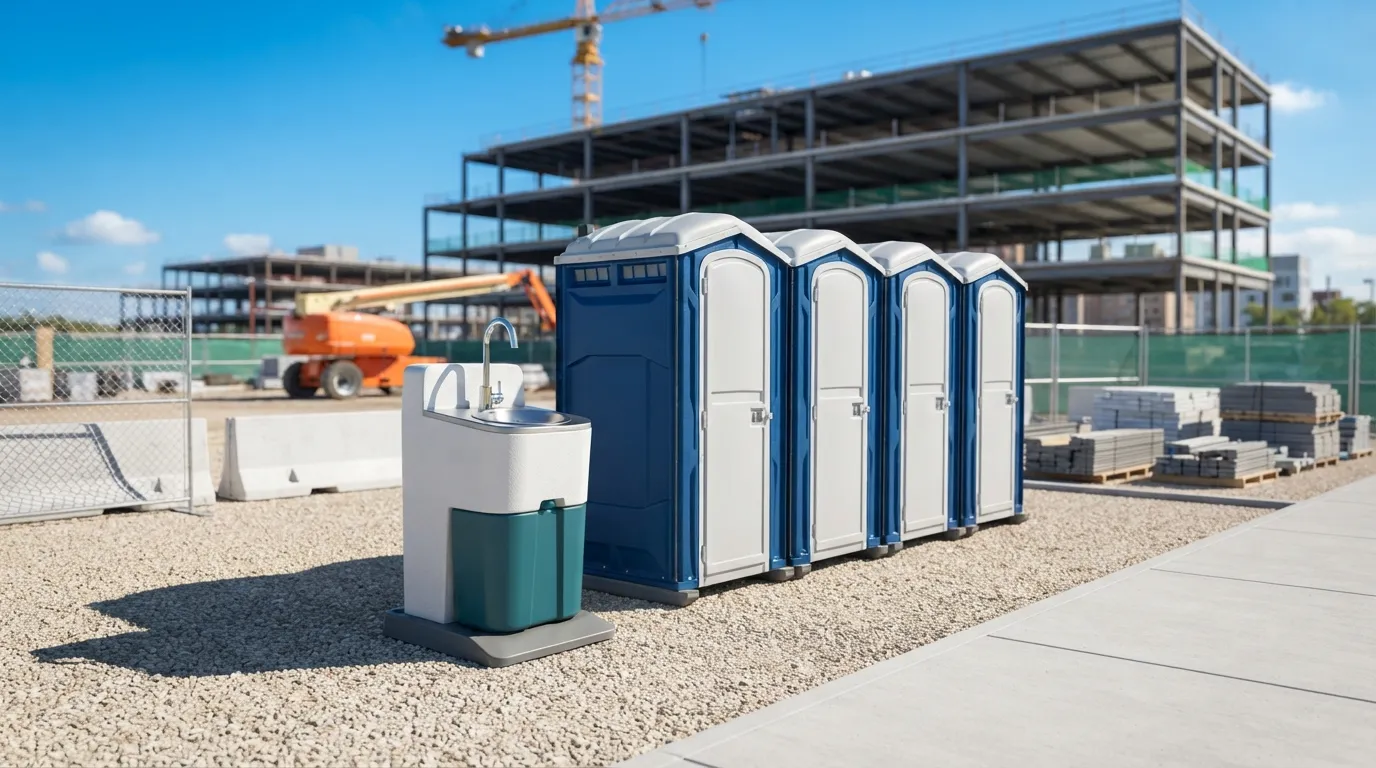
Pick level ground first, then think about the truck. Tacoma Porta Pros needs a stable, slip resistant surface to set a unit on, which lines up with ADA Standards section 302.1 for any accessible route leading to it. Gravel, asphalt and packed dirt all work. Grass that turns to mud after a week of rain does not, and Tacoma gets plenty of that rain. Keep units at least a few feet from the site's active work zone so debris and trip hazards from housekeeping under OSHA 1926.25 don't collect around the door. If you're renting a standard porta potty for a home remodel, tuck it near the driveway edge, not against the foundation, so the truck doesn't have to cross landscaping. For bigger jobs, pair placement with a temporary fence rental so the units sit inside a controlled perimeter instead of out on the sidewalk. If you're weighing a restroom trailer rental instead, the same clearance math applies, just with more square footage and a leveler.
Do I need a permit to place a porta potty in Tacoma?
Placement in the public right of way, on a sidewalk, or blocking a street needs confirming with the City of Tacoma before delivery. This is a genuine gap in what we can verify from here. The same question comes up constantly with a dumpster placement permit, and dumpster placement permit cost varies by jurisdiction, so treat both the same way: call the city, don't assume. Our porta potty permit requirements page walks through what to ask and who typically issues it. If you're setting equipment on private property, a driveway, a yard, a fenced lot, permitting usually isn't required, but confirm with the city if any part of the unit sits within a few feet of the curb line. The same caution applies to roll-off dumpster rental placement and to dumpster permit requirements generally: distance from the street and from overhead lines both matter more than most renters expect.
How much clearance does delivery actually need?
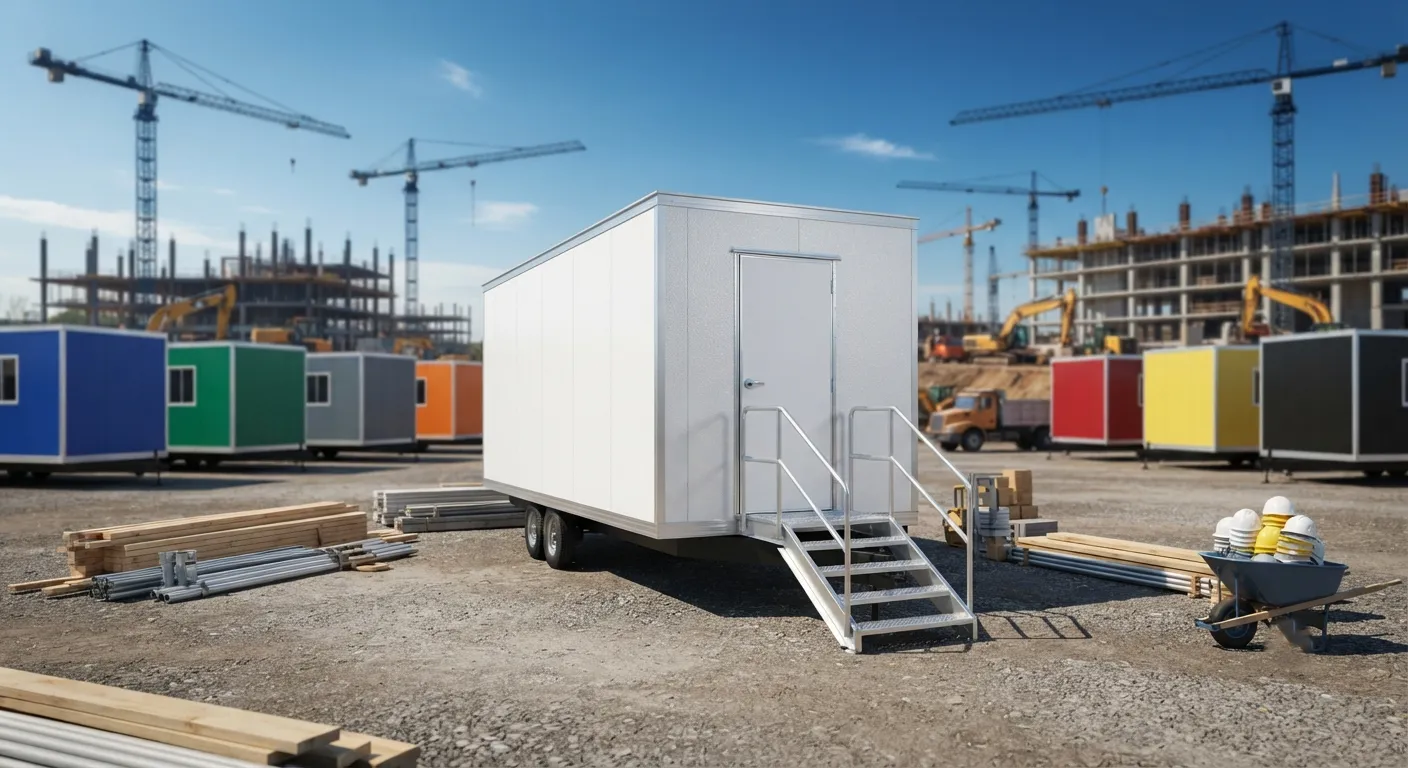
A roll-off delivery needs about 60 feet of straight clearance behind the truck to back in and drop the container safely. That number drives a lot of placement decisions on tight urban lots in Tacoma, especially in older neighborhoods near Fircrest, about 4.1 miles southwest, where driveways run narrow and short. For a porta potty, the clearance need is smaller, but the truck still needs a straight shot to the unit's back panel where the tank empties. If you're in University Place, 6.8 miles southwest, or out toward Fife, 7.2 miles east, tell our dispatcher about narrow gates, low branches, or shared alleys before delivery day. This applies whether you're setting up a portable toilet rental for a backyard project or coordinating multiple units under our construction site services program. Storage equipment has its own clearance needs too. A 40ft storage container or mobile office trailer rental needs similar straight-line access, and mobile office trailer replacement doors run wider than you'd think, so measure the gate before you order one.
What placement mistakes cost the most time?
Blocking the vent stack or the service door is the top one. Every unit needs the technician to walk up to the back, open the tank access, and pump it without moving anything. OSHA 1926.51(c) sets the toilet count ratio that most job sites are trying to hit, one unit per 20 workers on crews of 20 or fewer, but the ratio means nothing if the units are wedged behind a dumpster and unreachable on service day. Keep at least three feet of open space on the service side. If you're renting a deluxe flushable porta potty with a sink, remember that ozark river portable sink replacement parts are a separate order from the unit itself, so plan ahead if a hose or pump ever needs swapping midterm. The same goes for an ADA accessible porta potty: ADA Standards section 213.2 requires at least one accessible unit in any cluster, and it needs a 60 inch turning circle in front of the door per ADA Standards section 304.3.1, which takes more planning than a standard unit does.
| unit | day | week | month |
|---|---|---|---|
| standard | $100-$350 | $130-$500 | $125-$325 |
| ada | $200-$400 | $240-$400 | - |
| deluxe | $85-$1200 | $150-$290 | - |
Septic and holding tank work follows the same clearance logic. A septic pumping service truck needs the same straight approach a roll-off needs, and placerville septic pumping service crews we've talked with report identical setback issues on rural lots. If your Tacoma property runs on a tank instead of city sewer, check our how often to pump a septic tank guide, since a typical residential tank gets pumped every 3 to 5 years depending on household size and tank capacity.
How far from a building should a porta potty sit?
Close enough to be convenient, far enough to keep the service door clear. A few feet from an entrance is fine. Avoid placing it directly under windows or HVAC intakes. Check our porta potty rental page for site-specific delivery notes.
Can I move a porta potty myself after delivery?
Small moves across flat ground are fine if the tank is empty or nearly so. A full standard tank holds 60 to 70 gallons and gets heavy fast. Call Tacoma Porta Pros first for anything beyond a few feet.
What surface is best under a portable restroom?
Compacted gravel or asphalt beats grass, especially through a Tacoma winter. See porta potty in winter for freeze and mud considerations specific to this climate.
How many units do I need before placement even matters?
Start with how many porta potties do I need, based on worker count and OSHA 1926.51(c) ratios. Placement only gets complicated once you're past two or three units on one site.
Does event placement differ from construction placement?
Yes. Events prioritize guest flow and sightlines; job sites prioritize truck access and worker proximity. Our event restroom rental team places units differently than our construction site services crews do for that reason.
Next step
Get a delivery date
Tell us the address, the dates and the headcount. We size the order and confirm the route.