
How Does a Standard Porta Potty Work?
The tank sits under the seat and holds everything until service day. Blue chemical treatment in the tank breaks down waste and knocks out odor between visits, which is why you smell almost nothing when the unit is fresh. A vent stack pulls air up and out the top, so the box stays negative-pressure and doesn't push smell back at the user. That's the basic engine behind standard porta potty rental units all over Tacoma. Service follows ANSI/PSAI Z4.3, the industry baseline of one visit a week for units seeing regular traffic, though busy job sites often need more. A construction worker running to the porta potty between pours doesn't think about any of this, and that's the point. It just has to work. If you're not sure how many units a crew needs, the how many porta potties do I need guide breaks it down by headcount, and OSHA 1926.51(c) sets the ratio: one toilet for 20 workers or fewer, then one toilet seat and one urinal per 40 workers as crews grow past that.
How Do Flushable Porta Potties Work?
A flushable, or deluxe, unit adds a small onboard freshwater tank and a foot pump or pedal that pushes a rinse of water into the bowl after use. It still drains to the same sealed holding tank underneath, it just clears the bowl visually instead of leaving standing waste sitting there between users. That's the difference you're paying for with a deluxe flushable porta potty: comfort, not a different disposal system. Weddings and corporate events around Tacoma lean toward deluxe units for exactly that reason. Pair one with a portable sink rental at the entrance and guests get real handwashing, not just sanitizer. 29 CFR 1910.141(d)(2) requires soap and towels or a hand-drying device at washing stations, and sanitizer alone doesn't satisfy that. For weekend events, a deluxe unit runs inside the same price range whether it's a backyard party or a wedding restroom rental setup at a larger venue.
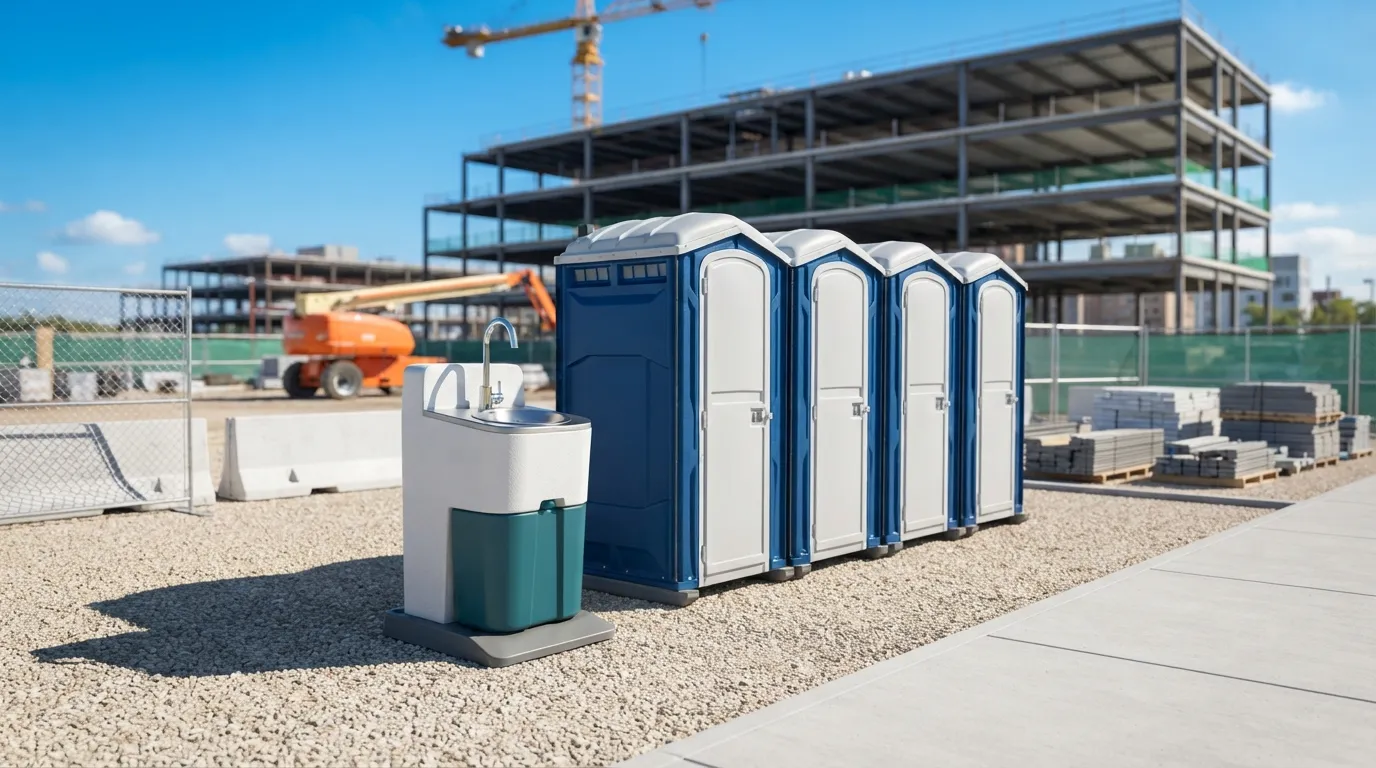
How Does a Portable Sink Work?
A portable handwashing station holds fresh water in an upper tank, gravity-feeds it through a faucet, and catches the used water in a lower tank so nothing drains onto the ground. Foot pumps or hand levers control the flow, and most units carry their own soap dispenser. That setup matters most where OSHA 1926.51(f)(1) applies: jobs where crews are applying paints, coatings, herbicides or insecticides need washing facilities on-site, not just a toilet. A handwashing station rental covers that requirement directly. Farms and agricultural operations near Tacoma have a separate standard: OSHA 1928.110 requires potable water, toilets, and handwashing within a quarter mile walk for hand-labor crews, one facility per 20 workers. If you just need a lower-cost backup option for a small crew, a hand sanitizer station rental fills gaps between full sink service, though it doesn't replace the soap-and-towel requirement on regulated sites.
What Chemicals Keep a Porta Potty From Smelling?
The blue liquid in a standard tank is a deodorizing and waste-breakdown treatment, added fresh at every service visit alongside a rinse of the tank itself. It's not the same as septic tank cleaning chemicals used in a home system, which target bacteria balance in a much larger tank over years, not days. A septic pumping service crew pumping a 1,000 gallon residential tank works on a 3 to 5 year cycle, driven by tank size and household size, while a job site porta potty on a busy Tacoma build might get serviced weekly per the ANSI/PSAI Z4.3 baseline. Curious readers researching portable toilet chemicals near me are usually asking about that blue tank treatment, not the septic side. If a unit ever smells off between visits, that's a sign something in the service interval needs adjusting, covered in do porta potties smell. For winter jobs, cold changes how that chemical performs, which the porta potty in winter page covers separately.
How Do Camping Porta Potties Work?
They work the same way as job site units, just smaller and often self-contained for portability. A camping porta potty still uses a sealed holding tank and chemical treatment, but many campers choose a compact model they can empty themselves rather than one on a weekly service route. For an ADA-compliant option at an outdoor event or campground, an ADA accessible porta potty unit meets ADA Standards 304.3.1's 60 inch turning circle and 404.2.3's 32 inch clear door opening, with ADA Standards 213.2 requiring at least one accessible unit, and never less than 5 percent, when units are clustered.
| unit | day | week | month |
|---|---|---|---|
| standard | $100-$350 | $130-$500 | $125-$325 |
| deluxe | $85-$1200 | $150-$290 | - |
| ada | $200-$400 | $240-$400 | - |
Delivery in Tacoma typically adds a separate fee, detailed on the porta potty rental cost page, and daily rates run higher on the porta potty rental per day breakdown. Long jobs usually save more per day; check the monthly porta potty rental numbers before committing to a shorter term.
How often does a porta potty get serviced?
Weekly is the ANSI/PSAI Z4.3 baseline for units seeing up to 10 users across a 40 hour week. High-traffic construction sites or multi-day events usually need more frequent visits. Details on what a service visit involves are on the how often are porta potties cleaned page.
Do porta potties need water or electricity?
No. Standard units run entirely on the sealed tank and chemical system, no hookup needed. Deluxe flushable units carry their own small onboard water tank. That's part of why they set up fast almost anywhere in Tacoma or nearby Fircrest, 4.1 miles southwest.
Can I place a porta potty on the street in Tacoma?
Placement in the public right of way needs confirming with the city before delivery. See porta potty placement guide and porta potty permit requirements for what to check before the truck arrives.
How many porta potties does a construction crew need?
OSHA 1926.51(c) sets the ratio at one toilet per 20 workers or fewer, then one toilet seat and one urinal per 40 workers beyond that. The osha portable toilet requirements page walks through the full table by crew size.
What is the difference between a porta potty and a restroom trailer?
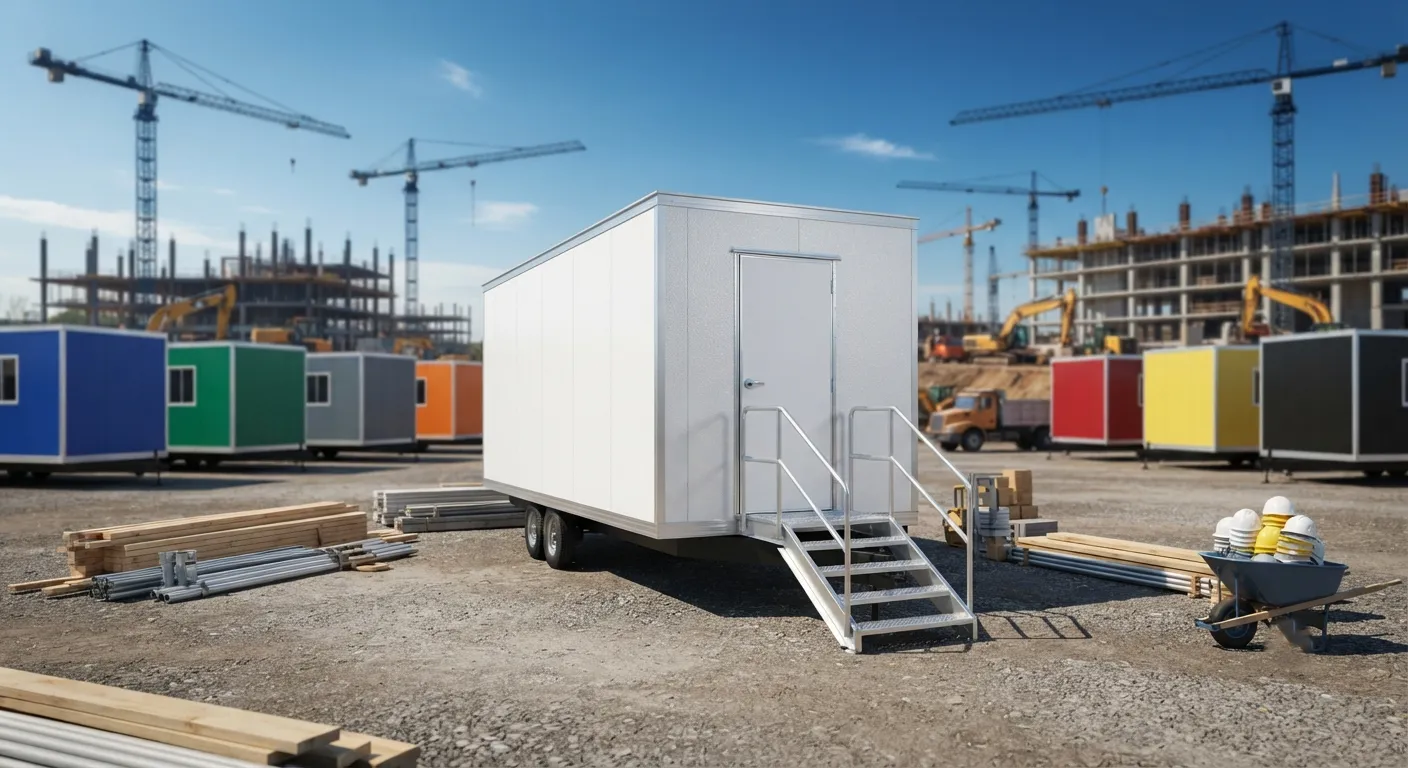
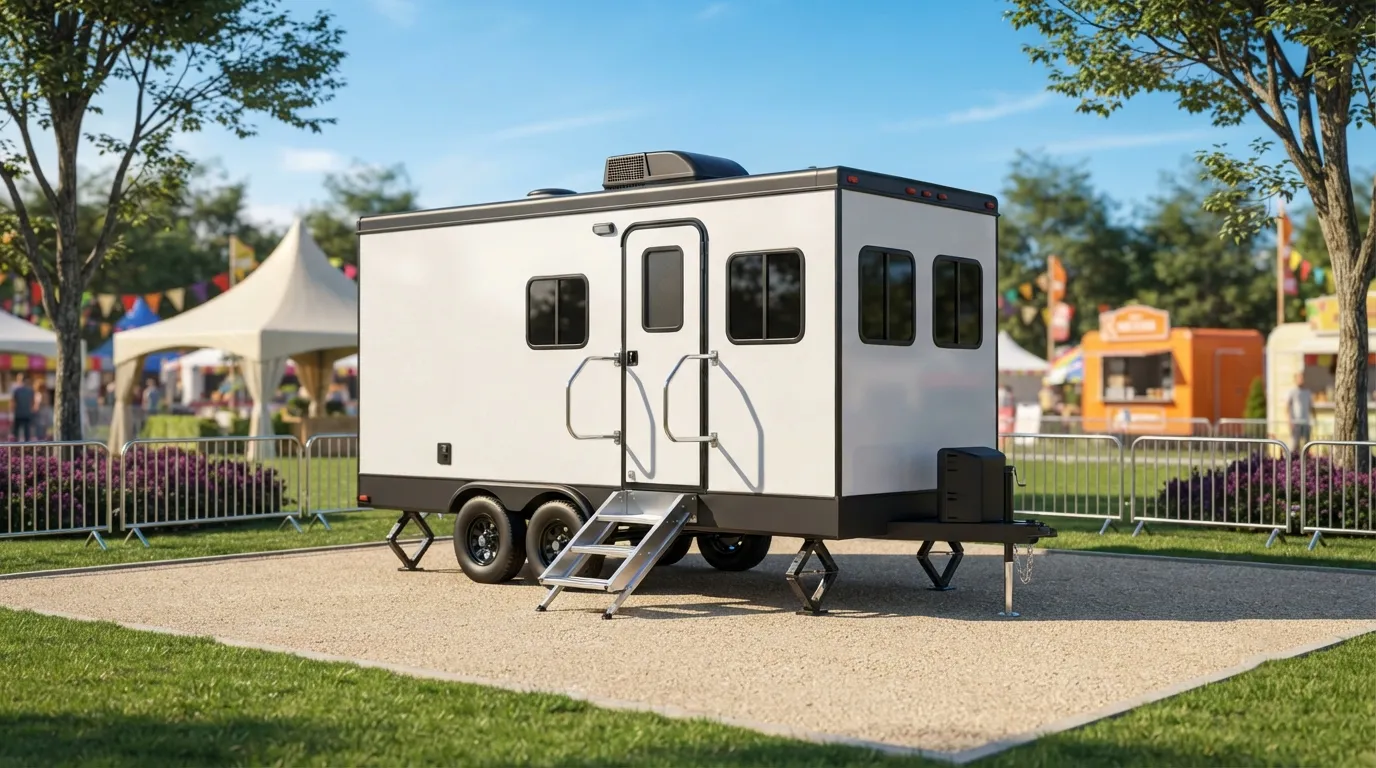
A porta potty is self-contained with a sealed tank; a restroom trailer rental connects to plumbing or a larger onboard tank and adds sinks, mirrors, and multiple stalls. Trailers suit weddings and multi-day events better than standard units.
Next step
Get a delivery date
Tell us the address, the dates and the headcount. We size the order and confirm the route.